
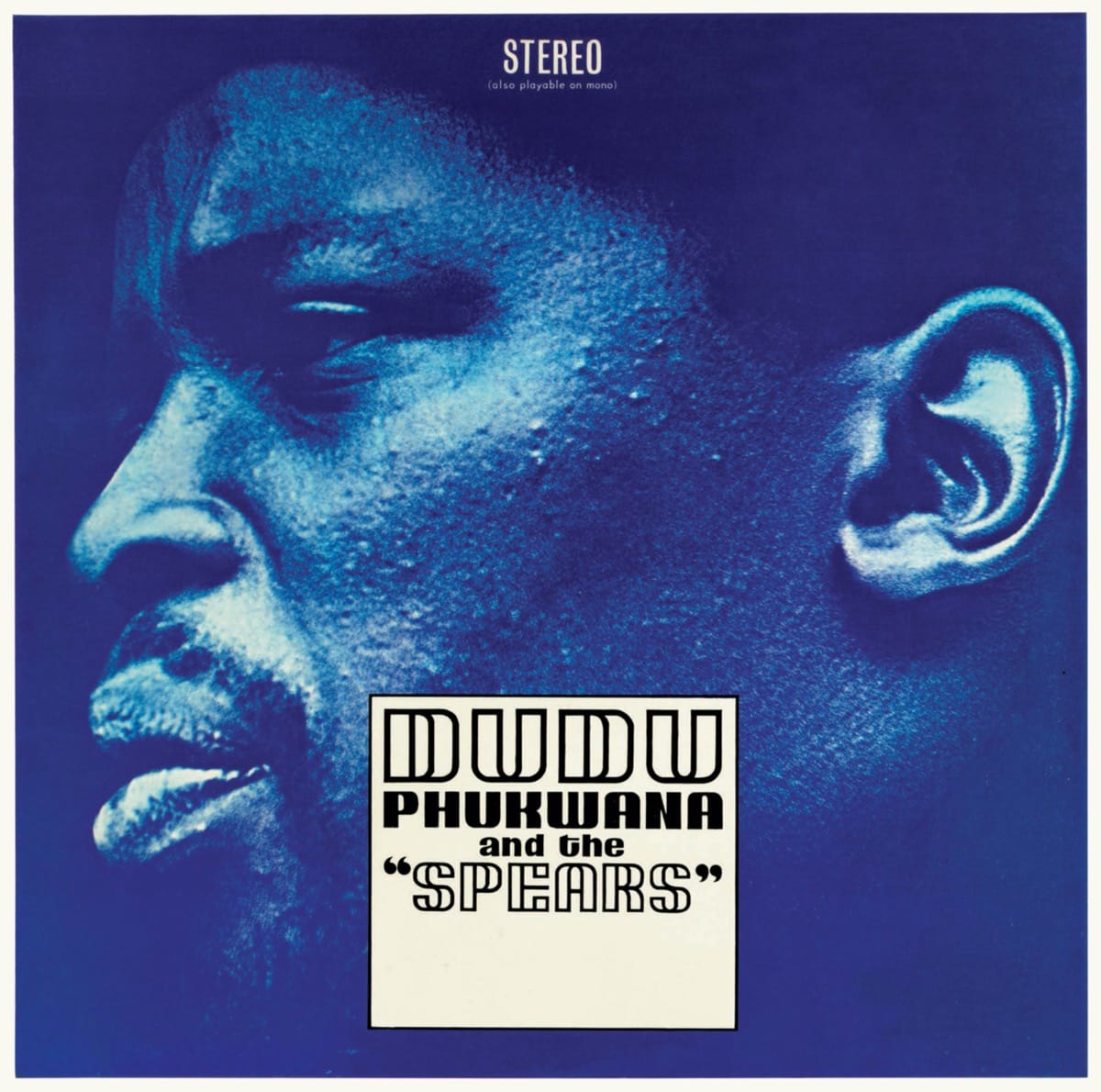
Dudu Pukwana’s debut album was made in the UK in 1968, well before In The Townships. A year later Dudu and Joe Boyd went to South Africa where it was licensed and pressed on the Trutone label. Its reappearance here makes it one of the most important archive appearances of the season, with unseen photographs by Val Wilmer and, even more excitingly, a second set recorded in London with the likes of Fairport Convention’s Richard Thompson and members of Afro-rock group Osibisa.
Pukwana’s high-energy alto, with its alternately plaintive and singing tone, was a signature sound in British jazz for a generation. In a sense, Pukwana picked up where the tragic Joe Harriott left off and it was a complex mantle. His own music was a heady mix of township jazz and mbaqanga, with kwela elements and some echoes of Accra and London highlife thrown in. To be fair, there are no classics here and the shortness of the cuts is sometimes frustrating, but this music had not – or not yet – lost contact with dance and the durations are typical of shebeen music of the time.
The rediscovered date is left deliberately atmospheric and “live”, which enhances its just-dusted-off feel, but the music itself, originally produced by Joe Boyd, shines through. Items like Obomvu will be familiar to anyone who has and treasures In The Townships. The early take is rougher and more energetic in some respects.
There’s no reason to question the attributions, which have been researched by Richard Haslop and are consistent with other surviving recordings of the time. The presence of Thompson might be a surprise to some, but Britain’s most eclectically inventive guitar improviser turned up wherever creative music was being made and always enhanced it.
The South African influence on British jazz is immeasurable and still evolving. The reappearance of this now-remote LP marks a moment for new reflection on a complex legacy, and a story criss-crossed by hope, tragedy, great longing and an irrepressible zest for life and music.
Hear/buy Dudu Pukwana: Dudu Phukwana And The “Spears” at matsulimusic.bandcamp.com
Discography
Pezulu (Way Up); Thulula (Fill It Up); Kuthwasi Hlobo (Spring); Half Moon; Yino Njalo (Stick Around); Kwa Thula (Thula’s Place); Joe’s Jika (Joe’s Groove); Nobomvu (Red Head); Qonqoza (Knock); Phola (Cool It!); Pezulu (Extended Take); Pezulu (Alternate Take); Studio Interlude; Half Moon; Izulu Liyaduduma; Sibuyile (Take One); Sibuyile (Take Two); Church Mouse; Untitled (Andromeda) (67.50)
Tracks 1-10: Pukwana (as); Bob Stuckey (org, b); Louis Moholo (d); with, probably: Mongezi Feza (t); Teddy Osei (ts); Phil Lee (elg); Chris McGregor (p); Harry Miller (b); and, possibly: Jonas Gwangwa, Tunji Oyelana (d, pc); Jimmy Scott (pc). England, 1968.
Tracks 11-19: Pukwana (as); Mongezi Feza (t); Richard Thompson, Simon Nicol (elg); Harry Miller (b); Louis Moholo (d); others possible as above.
Matsuli Music, vinyl