
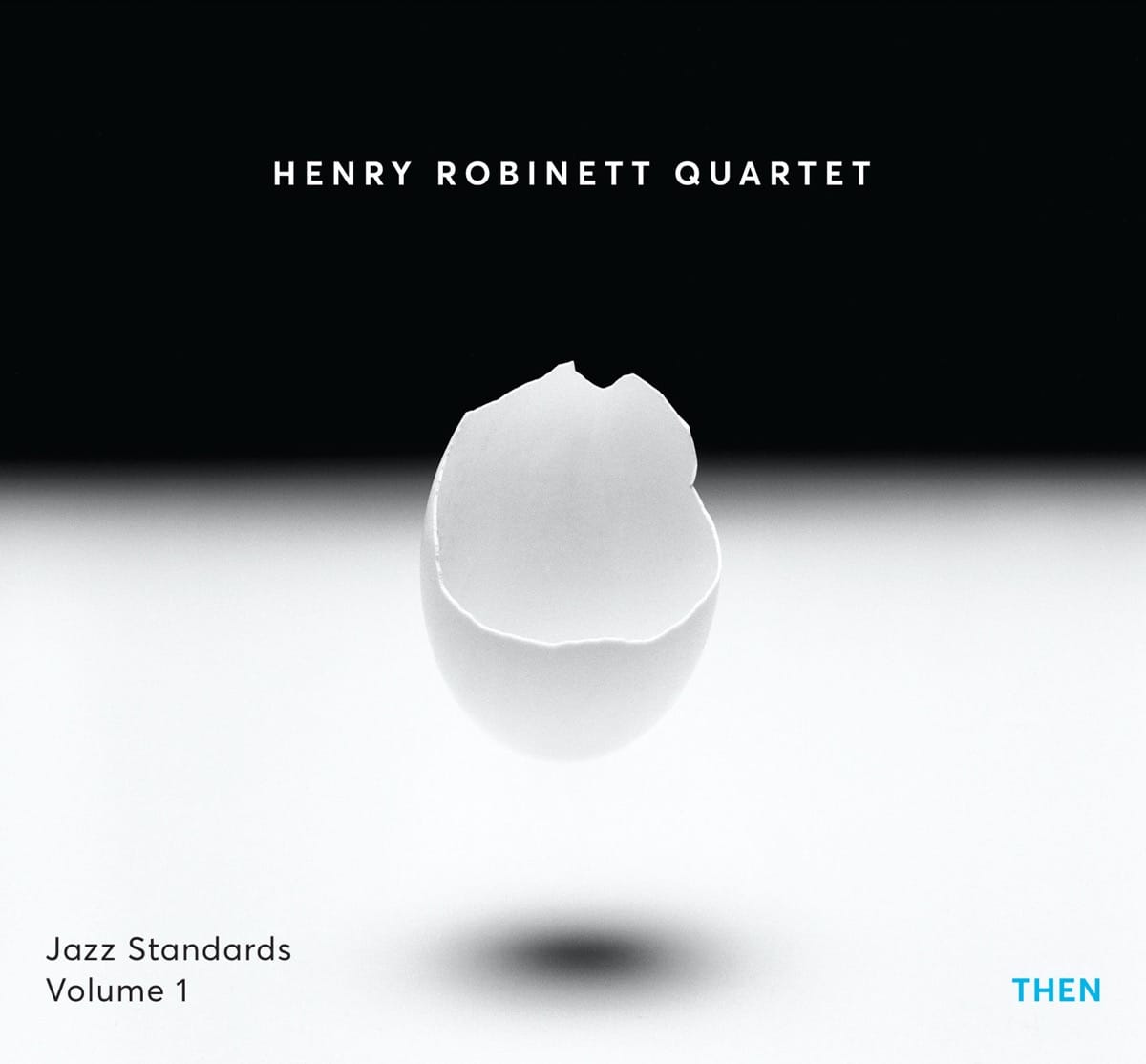
Henry Robinett Quartet: Jazz Standards Volume 1: Then

In brief:
"Light piano and guitar improvisations float over a consistently steady rhythm and a walking bass line. Having grown up under the influence of bebop, Robinett sounds more than comfortable within this setting"

Jazz Standards Volume 1 is a departure from Henry Robinett’s established body of work – trading in the Pat Metheny-esque lounge vibe for more of a classic cool jazz approach. It’s for this reason, as the guitarist and bandleader himself claims, that the album is being released 20 years after it was originally recorded.

Light piano and guitar improvisations float over a consistently steady rhythm and a walking bass line. Having grown up under the influence of bebop, Robinett sounds more than comfortable within this setting.

Advertisement

Alongside him, pianist Joe Gilman’s improvisations are particularly satisfying; clean and graceful with a natural flow which sounds like it could go unbroken for hours.

It’s a pleasant album, carrying with it an air of piano-bar jazz. This isn’t to use the term in a defamatory sense, but it’s a very accessible and unchallenging record – as an album of jazz standards is so often fated to be.

Nevertheless, there’s no reason why Jazz Standards Volume 1 should have remained unheard for 20 years. 

Discography
I Hear A Rhapsody; Yellow Days (La Mentira); The Days Of Wine And Roses; The Way You Look Tonight; Ill Wind; East Of The Sun; Invitation; Soul Eyes; Why Do I Love You?; Pinocchio (62.49)
Robinett (elg); Joe Gilman (p); Chris Symer (b); Michael Stephans (d). The Hangar, Sacramento, CA, 19-20 April 2000.
Nefertiti Records N121619

Latest audio reviews

Advertisement

More from this author

Advertisement

Jazz Journal articles by month

Advertisement

Nils Landgren: Nature Boy

Landgren’s first solo album came out of lockdown. Unexpectedly finding himself at home and unable to travel and tour for months, he came up...
Advertisement

Still Clinging To The Wreckage 03/22

Charlie Barnet began learning to play various saxophone when he was 12, becoming mainly noted as a hard-swinging tenor player and, in the late...
Advertisement

Dave Frishberg, past master /2

After the Anita O'Day experience, Frishberg had a more enjoyable time playing with Gene Krupa’s quartet between 1962 and 1964, mostly at the Metropole...
Advertisement

Subversion Through Jazz: The Birth Of British Progressive Jazz In A Cold War Climate

Matt Parker considers whether progressive British jazz of the 1960s had a political effect on society. Its small audience figures say probably not
Advertisement

Billie

Director James Erskine's valuable documentary intertwines Holiday's story with that of Linda Kuehl, a literary journalist who in 1970 began a biography of her....
Advertisement

JJ 12/60: Earl Hines – Earl’s Pearls

Readers who know the value of a good thing will keep their back numbers of this Journal, and thus can save them­selves further reading....
"Light piano and guitar improvisations float over a consistently steady rhythm and a walking bass line. Having grown up under the influence of bebop, Robinett sounds more than comfortable within this setting"Henry Robinett Quartet: Jazz Standards Volume 1: Then