Rightly or wrongly I figured the writing was on the wall before a certain virus forced the changes in our daily lives. The impression that the supply of jazz musicians, both of the young and schooled variety and otherwise, was far exceeding the demands for their talents got to the point where it could be defined as nagging, like a form of doubt.
Leaving aside the largely pointless argument over whether or not particular strains of music are actually jazz, we are still left not only with a relatively large number of musicians who would claim to play it but also a large number of labels / labours of love / cash-decimating projects dedicated to getting the music out there on downloads and physical formats.
I’m of the opinion that downloads in particular encourage the taking up and discarding of music at a rate of knots, and that opinion’s informed by my impatience with the music I have on my portable device, which is certainly not replicated by my attitude towards the music I listen to at home, or indeed how I listen to it.
Either way, the sheer “everything, all the time” way in which music can now be accessed has the effect of reducing its impact, and in an era when the gigs have dried up, how does an album by another young, optimistic yet unknown jazz musician have a chance of, to use the industrial parlance, shifting units?
The volume of such individuals has been rising incrementally for a number of years, thanks in no small part to the number of jazz graduates emerging from universities the world over. Link that development with a similarly incremental rise in the number of arts prizes dedicated to jazz and you perhaps have some kind of virtual infrastructure, a major characteristic of which is self-absorption.
Amongst the many changes Covid-19 has yet to inflict upon this world is a thorough rethink of what might be called the social utility of this volume, but in view of tight budgets and the use of “fiscal responsibility” as some kind of virtue signalling this seems inevitable.
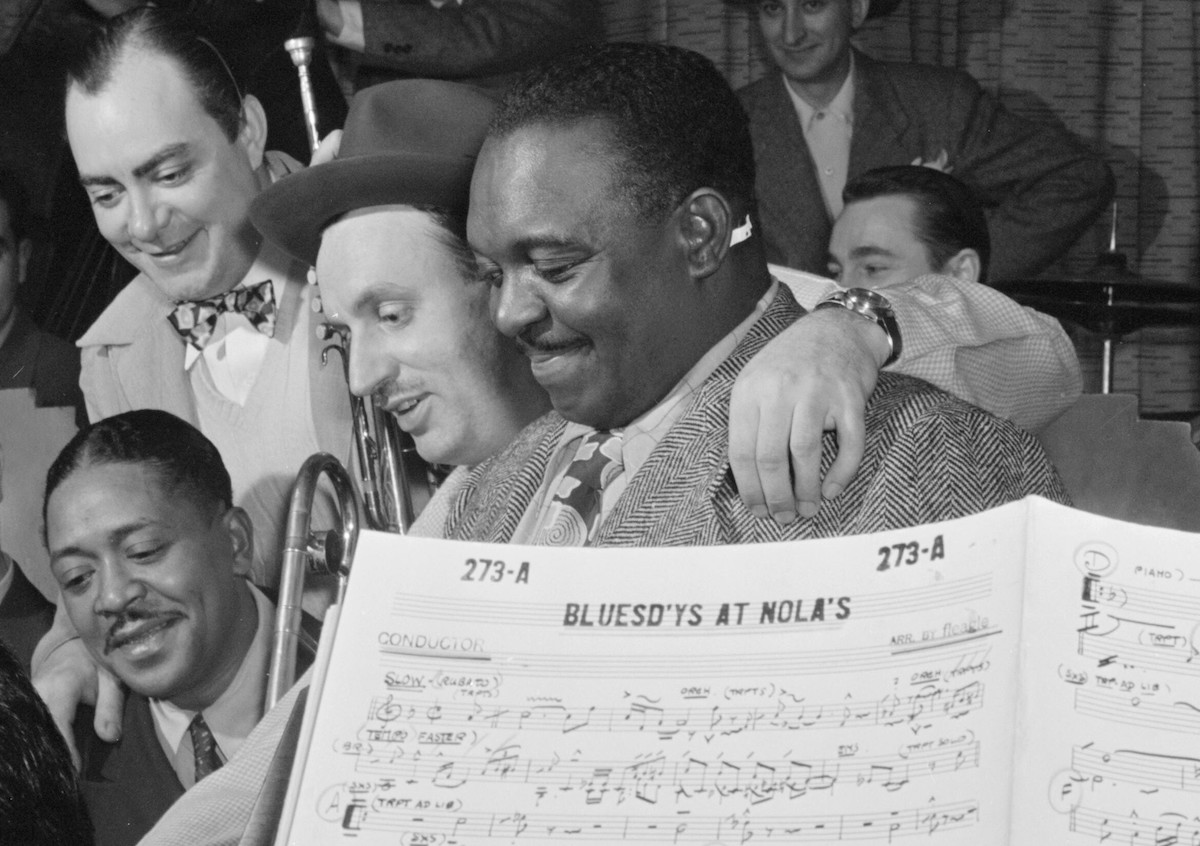
All of this has nothing at all to do with Rex Stewart’s baptism of fire when he joined the Ellington band in 1934 and was informed by a fellow member of the trumpet section that he was required to take his first solo the moment before he had to stand up to take it, although the disparity in schooling is a point in itself, as is the difference in circumstances.
In that era the audience for jazz was on the up, the gigs were far more plentiful, radio was radio, not a medium for studied nostalgia and facile attempts at recapturing a disappearing youth market, and exposure on it guaranteed an audience far in excess of physical reach.
Young jazz musicians now face a radically altered world in turmoil, although there are always grounds for hoping that what we’re living through is the storm before the calm. Either way, the jazz career might well be a tender plant unable to withstand the frost, as only time will tell, and the same goes for the jazz education that produced them.