Soft Machine: Thirteen
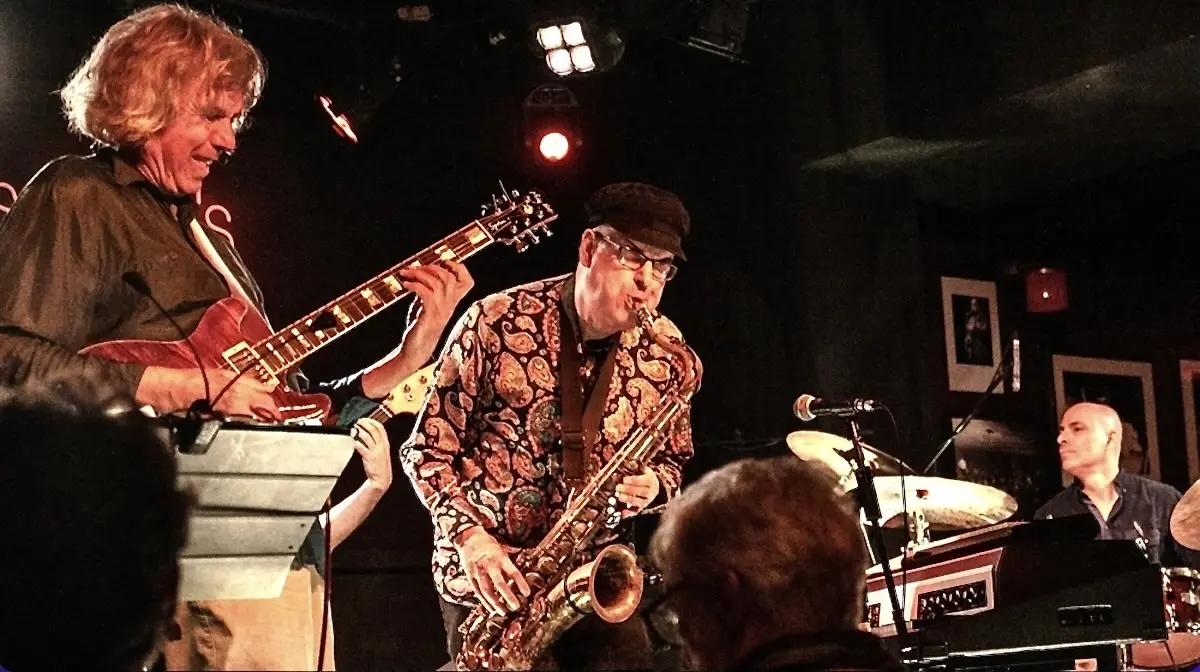
In 1966 Soft Machine roared into life sporting a now legendary line-up comprising guitarist Daevid Allen, bassist Kevin Ayers, organist Mike Ratledge and drummer Robert Wyatt. Over the last six decades the personnel has evolved. Bassist Hugh Hopper and saxophonist Elton Dean joined Wyatt and Ratledge for the seminal Third (CBS, 1970). Bundles (Harvest, 1975) featured guitarist Allan Holdsworth, later replaced by John Etheridge the following year for Softs (Harvest, 1976). The band was then static for several decades, only re-emerging under various monikers (for legal reasons) such as Soft Head and Soft Heap. Fast forward 40 years and legalities overcome, Soft Machine released their first studio album since Land Of Cockayne (EMI, 1981). Saxophonist and keyboardist Theo Travis joined ex-Softs stars Etheridge, Marshall and bassist Roy Babbington on Hidden Details (MoonJune, 2018). Five years later Other Doors (Dyad, 2023) was released with Etheridge, Marshall and Travis now joined by Fred Thelonious Baker on bass. For their 13th studio album Soft Machine comprises Etheridge, Travis, Baker and newcomer Asaf Sirkis on drums.
The brilliantly earwormy opener Lemon Poem Song, penned by Sirkis, sounds like it could have been taken straight from a classic 1976 Softs session, with an insistent bass-driven groove providing the background for Etheridge’s trademark soaring guitar. Travis’s elegiac Open Road employs majestic, emotionally charged chords underpinning a labyrinthine melody, including a Beatles-ish keyboard cameo, instantly pursued by Travis’s frenetic tenor solo. Seven Hours by Travis is more ponderous and improv-rich but glued together by Baker’s bass and Sirkis’s thunderous drumming and a memorable concluding statement by the ensemble.
Sirkis’s delicately enchanting ballad Waltz For Robert, a paean to the first Softs drummer, highlights Travis’s sensitive virtuosity on flute. Etheridge captivates on his composition Beledo Balado, his legato guitar lines effortlessly swooping into the stratosphere. On Time Station Travis deploys wah-wah soprano to great effect and Baker’s superbly dark Turmoil sees the bassist solo on fuzzy bass. Daevid’s Special Cuppa, is a sombre elegy to the late Softs and Gong founder member Allen whose glissando guitar, recorded years ago, is briefly heard at the start, around which the piece was constructed.
Thirteen is released on CD, digital download (via Bandcamp) and double LP. The vinyl version contains 18 tracks spread over four sides (including bonus tracks). However, this review concerns the CD version only. Travis wrote half of the (very imaginative) tunes on the album but special mention must also go to Sirkis, whose three numbers are equally excellent. This latest incarnation of Soft Machine gels satisfyingly and the band has produced the strongest, most compelling release since its 21st-century rebirth.
Discography
Lemon Poem Song; Open Road; Seven Hours; Waltz For Robert; The Longest Night; Disappear; Green Books; Beledo Balado; Pens To The Foal Mode; Time Station; Which Bridge Did You Cross; Turmoil; Daevid’s Special Cuppa (64.35)
John Etheridge (elg); Theo Travis (ts, ss, f, kyb, p, elec, duduk); Fred Thelonious Baker (elb); Asaf Sirkis (d, pc, p). Sutton, Surrey, 8 and 16-18 April 2025.
Dyad Records DY034
Dreamscapes: Tales Of A Wanderer
The debut album for London-based sextet Dreamscapes is indeed a dreamy affair. Guitarist Julien Durand, the band’s leader and main composer, graduated from the Royal Birmingham Conservatoire in 2022, obtaining a BMus in Jazz. Vocalist Lucy-Anne Daniels is a true rising star and a winner of the 2025 Tina May Young Jazz Musician Award.
The opener, Chant, with a backdrop of choir-like voices, acts like a prog-rock prelude without revealing clues to the ensuing tracks. After the spacey 50-second Interlude #II, the brisk, jazzy Wanderer is dominated by the lissom vocals of Daniels, who co-wrote the song with Durand. The hypnotic Maddy I, with its soulful saxophone and undulating bass, channels Weather Report territory whereas Maddy II continues the theme, now characterised by joyful wordless vocals amid rumbustious drumming interjections.
Radiohead’s Pyramid Song is a dramatic centrepiece to the album replete with emotional heft highlighted courtesy of George Garford’s alto and Daniels’ ineluctable voice. The traditional ballad Black Is The Colour showcases Daniels’ vocals, subtly underlining her extraordinary talent. Cenk Esen’s stately keyboard introduction to Garford’s Shiverwarm I heralds the pulsating rhythm section of John Jones on electric bass and Jack Robson on drums and features Garford’s ethereal flute. Shiverwarm II however, whilst structured similarly to its earlier namesake but only half as long, spotlights Daniels’ memorably winsome vocals.
The album’s Bandcamp digital and LP versions include 15 tracks, of which the closer is a bonus single version of Black Is The Colour. Sisyphus I & II and Shiverwarm I & II are alternative single edits but Maddy I and Maddy II are parts 1 and 2 of the same song, not different takes. The CD contains a condensed version of the album with 11 tracks minus the additional single edits and with one consolidated version of Maddy.
Discography
Chant; Interlude #1; Wanderer; Maddy I; Maddy II; Pyramid Song; One Brush, Two Colours; Sisyphus I; Sisyphus II; Black Is The Colour; Shiverwarm I; Shiverwarm II; Interlude #2; Somnambule (42.40)
Julien Durand (elg); Lucy-Anne Daniels (v); George Garford (as, f); Cenk Esen (kyb); John Jones (elb); Jack Robson (d). London, December 2024 and January-June 2025.
Field Recordings
Alex Wintz: Collage
The follow-up to guitarist Alex Wintz’s sophomore trio release Live To Tape (Outside In Music, 2020) is an entrancing quartet affair with the addition of pianist Victor Gould. Grammy-nominated Wintz, a graduate summa cum laude from Berklee with a masters from Juilliard, now teaches guitar at the music conservatory of Westchester in New York. He’s performed at the Newport, Monterey, Montreux and Montréal jazz festivals, amongst many others, and is a National Foundation of the Arts award winner.
Wintz has written three quarters of the tunes on the album and they’re uniformly solid. Take the opener, Pondhop. It’s a breezy, brisk tempo thing which benefits from a memorable head and the guitarist’s lithe playing. The cryptically titled Apt 3C is a slower affair, beginning in a dark minor key but moving into an airier feel with Gould taking the first solo, followed by Wintz. Matt Penman’s virtuosic bass solo at the start of Innings Eater typifies the high calibre of musicianship presented here. Jimmy McBride’s drums propel The Wheels Of Justice, with intermittent snapping rimshots, whilst Wintz interweaves single-note runs alongside stabbing chords.
Of the two non-originals on the album Johnny Mandel’s standard The Shadow Of Your Smile is executed with exceptional delicateness and finesse, Gould’s chordal work allowing Wintz’s guitar the freedom to dextrously explore the length of his fretboard. Arguably the outlier here is George Harrison’s Isn’t It A Pity from the ex-Beatle’s third solo album All Things Must Pass (Apple, 1970). Wintz turns this song, rarely tackled instrumentally in jazz, into an enchanting, bluesy, Bill Frisell-like exploration.
Discography
Pondhop; Apt 3C; Innings Eater; Better Half; The Shadow Of Your Smile; The Wheels Of Justice; Isn’t It A Pity; It’s Been A Minute (53.08)
Wintz (elg); Victor Gould (p); Matt Penman (b); Jimmy MacBride (d). New York, 30 January, 2025.
Outside In Music OiM2604