
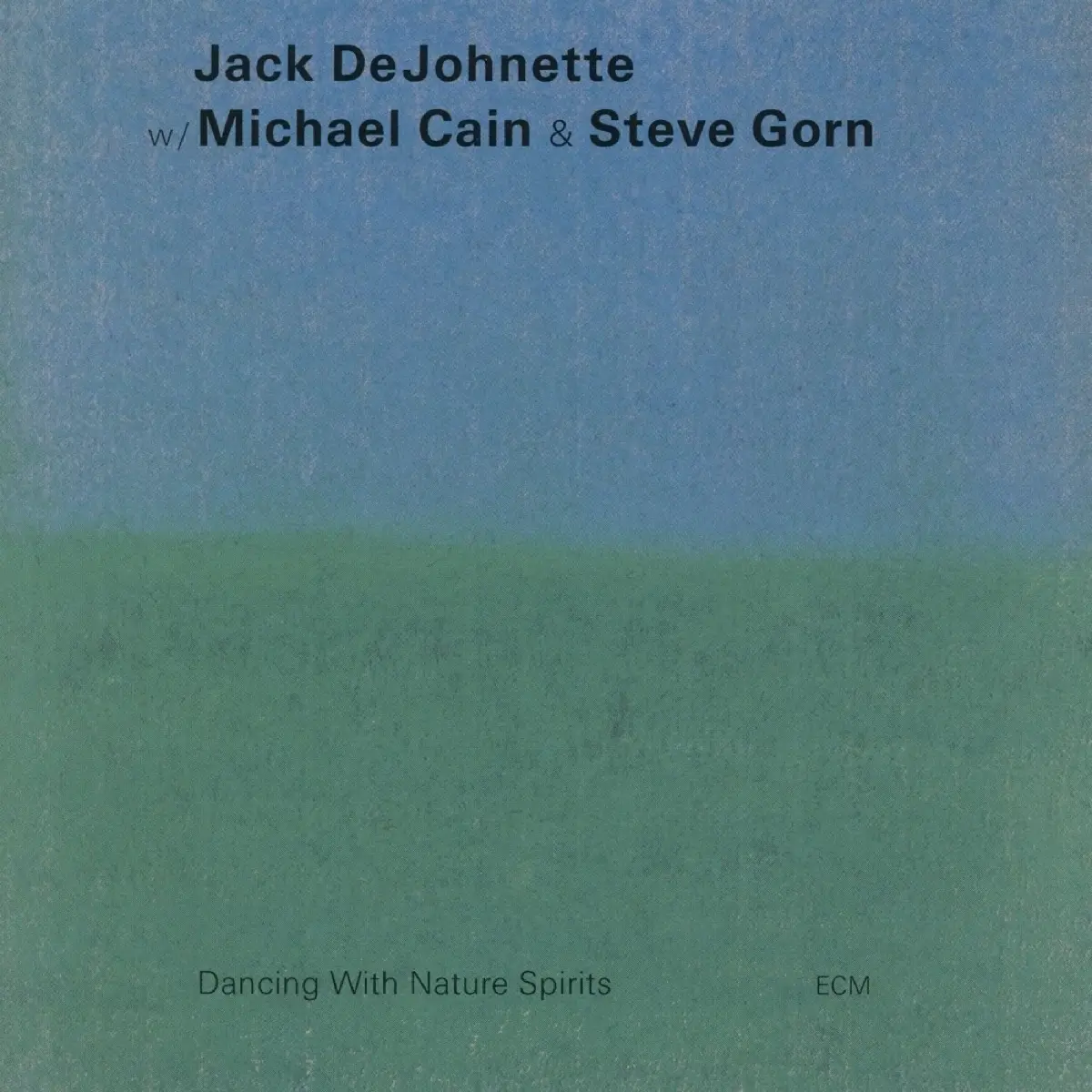
True to the ECM house style, the first three pieces are admirably spiritual if rather long-winded. ECM gives as much weight to space as to sound, but as Dancing shows, this policy can make for extremely slow progress. After several minutes of pleasantly mysterious eastern-flavoured flute and tom-tom rumblings, tentative, pointillistic piano appears, suggesting the first pattering drops of a summer shower in the forest. After about 10 minutes a piano riff develops, over which Cain and Gorn, the latter now on soprano, improvise lightly. There’s little harmonic or rhythmic variation however.
Similar observations apply to Anatolia, which, although credited solely to Steve Gorn, has the shapelessness which often attends group improvisation. Again the flavour is eastern, with clarinet weaving around tinkling cymbals. Eventually piano and tabla creep into the soundscape. At length, Healing becomes virtually vigorous and presents the first inklings of Cain’s lucid musicality, which comes to fuller fruition in his composition Emanations. This is quite different from the preceding pieces, and evidently some effort and craft went into the creation of this Mendoza-like theme, which has a clear form and motivic development. Regrettably this is the shortest track, but the focused mood is sustained in the final piece, which also offers tangible shape, melody and motion. Nevertheless, the playing time is probably excessive, since the trio could probably have made its points in a third of the time.
Discography
Dancing With Nature Spirits; Anatolia; Healing Song For Mother Earth; Emanations; Time Warps (72.09)
Jack DeJohnette (d, pc); Michael Cain (p, kyb); Steve Gorn (bansuri flute, ss, cl). West Hurley, NY, May 1996.
(ECM 1558)